
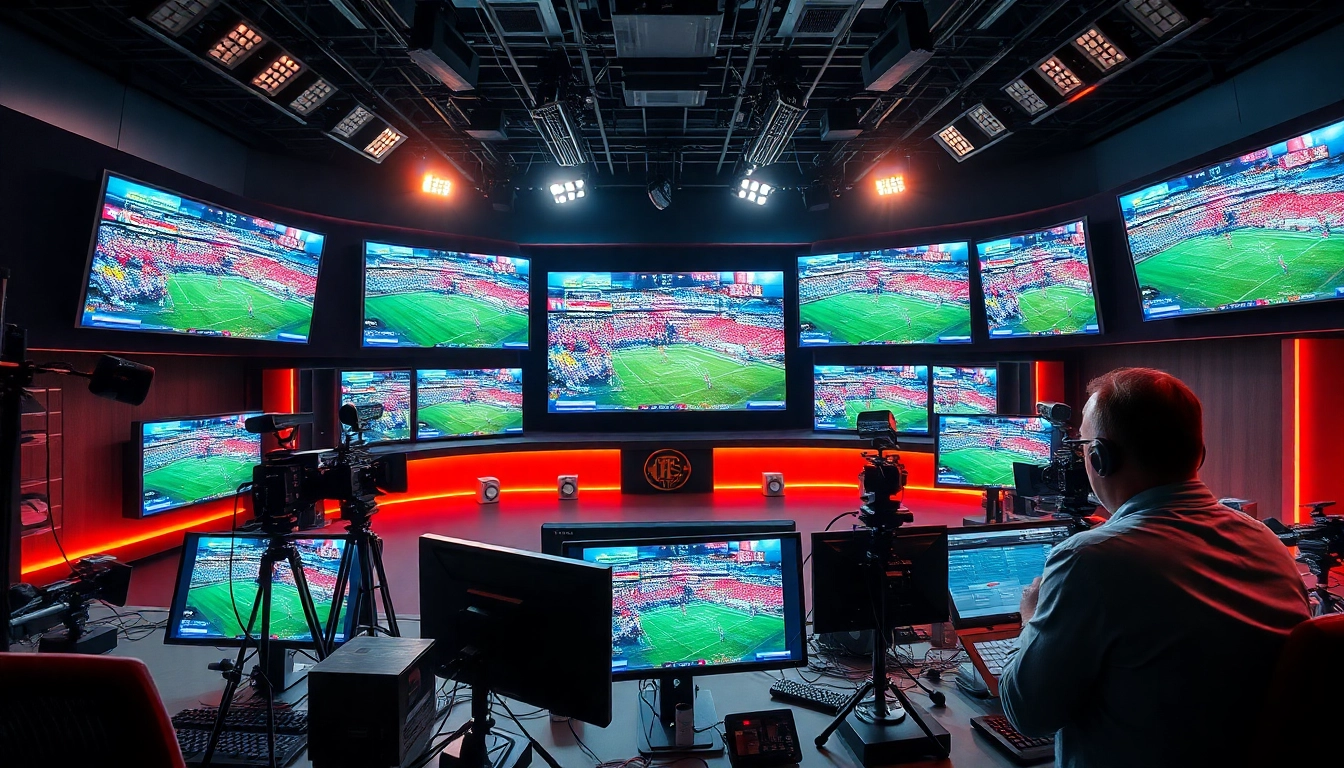
Understanding Sports Broadcasting
Definition and Importance of Sports Broadcasting
Sports broadcasting refers to the live coverage of athletic events, delivered through television, radio, or digital streaming platforms. This form of media is crucial for presenting sports to a broad audience and enhancing the fan experience. It connects viewers to their favorite games, offering insights that can elevate their understanding of the sport. The relationship between sports and broadcasting impacts revenue generation, athlete visibility, and the overall popularity of sports worldwide. With advancements in technology and evolving viewer preferences, Sports Broadcasting has become more interactive and engaging.
Key Components of Sports Broadcasting
To deliver an effective sports broadcast, several components must be harmonized:
- Commentary: Engaging commentators provide insights, analyses, and context to the ongoing events, enriching viewer understanding.
- Production Values: High-quality visuals, sound, and graphics create an immersive experience that keeps audiences captivated.
- Technology: Advanced tools, such as slow-motion replays, drones, and augmented reality, enhance storytelling by providing unique perspectives.
- Audience Interaction: Engaging fans through social media, polls, and live discussions adds a participatory element.
Historical Perspective: Evolution of Sports Broadcasting
The origins of sports broadcasting date back to the early 20th century, when radio broadcasts of games began to emerge. As technology improved, television became the dominant medium in the latter half of the century, expanding the reach of sports leagues and bringing the excitement of live events directly into homes. The last two decades have witnessed a seismic shift with the rise of online streaming platforms and social media, allowing both traditional and non-traditional broadcasters to cater to changing audience behaviors. Each evolutionary phase has contributed significantly to how fans consume sports content today.
Essential Techniques for Effective Sports Broadcasting
Commentary and Storytelling Skills
Sports commentary is a blend of play-by-play narration and color commentary. A successful commentator must master both roles, providing real-time updates while weaving narratives that enhance the drama of the game. Effective storytelling involves knowing the players’ backgrounds, the stakes of the game, and the sport's cultural context. This context is crucial in drawing in viewers, making them emotionally invested in the outcomes.
Use of Technology in Sports Broadcasting
Technological advancements are redefining sports broadcasting at every level. Innovations such as 4K and 8K resolution, virtual reality, and immersive graphics not only improve visual quality but also allow audiences to experience sports like never before. Tools such as AR for player stats and data analytics for strategic analysis on screen create an engaging viewing experience that keeps fans coming back.
Field Reporting and Interview Techniques
Effective field reporting involves capturing spontaneous moments and reactions from players and coaches. Skillful interview techniques ensure that these interactions not only garner insights but also resonate with audiences. Preparation before interviews and the ability to adapt in real-time are key for reporters to elicit genuine responses that add depth to broadcasts. Building rapport with athletes can also lead to exclusive stories that enhance a network’s appeal.
Strategies to Enhance Viewer Engagement
Creating Compelling Content for Sports Broadcasting
Creating compelling content goes beyond the live broadcast; it includes behind-the-scenes coverage, player interviews, and engaging narratives that keep the audience connected year-round. Content must resonate with the target audience, leveraging personal stories and moments of triumph or adversity that captivate fans. Using a mixture of formats—articles, podcasts, and videos—can widen the breadth of engagement, catering to different audience preferences.
Utilizing Social Media for Audience Growth
Social media acts as a powerful tool for growing sports broadcasting audiences. Platforms like Twitter, Instagram, and TikTok allow for real-time interaction, fostering a community around beloved teams and players. Utilizing hashtags, live-tweeting games, and sharing highlights ensures audiences feel connected beyond just watching the game. It also creates avenues for fan engagement, enabling broadcasters to gather feedback and tailor content accordingly.
Interactive Features and Viewer Participation
Interactive features like live polls, Q&A sessions, and fan voting can significantly enhance viewer participation and engagement. By encouraging viewers to contribute, broadcasters can create a more immersive experience, making fans feel like integral parts of the sports community. These features can be integrated into broadcasts and online platforms, appealing to viewers’ desire for interaction and inclusion.
Challenges in the Sports Broadcasting Landscape
Adapting to Changes in Viewership Habits
The shift towards digital and mobile viewing has posed challenges for traditional broadcasters. As fans increasingly demand flexibility in viewing, reaching them requires strategies that adapt to their preferences. This includes on-demand content, mobile apps, and alternate streaming options. Understanding demographic shifts and viewer habits remains critical for maintaining relevance in a competitive landscape.
Understanding Rights and Licensing Issues
Rights and licensing issues represent significant challenges within sports broadcasting. Content creators must navigate complex agreements and regulations that govern the distribution of broadcasts. Broadcasters need to stay informed about changing laws and negotiate contracts that allow for flexible content dissemination, ensuring they can remain competitive in a rapidly evolving industry.
Addressing Technological Challenges
The reliance on technology brings challenges, including cybersecurity threats, data breaches, and the constant need for system upgrades. Unequivocal investment in cybersecurity measures and keeping up with current technologies are essential in safeguarding broadcasting operations. By prioritizing technological resilience, organizations can minimize disruptions in services and maintain viewer trust.
The Future of Sports Broadcasting
Emerging Technologies Shaping Sports Broadcasting
Emerging technologies such as artificial intelligence, machine learning, and blockchain are poised to transform sports broadcasting. AI can automate editing and enhance viewer customization, while blockchain technology can ensure secure transactions for content licensing. Virtual and augmented realities will provide unprecedented experiences for viewers, allowing them to engage with sports content imaginatively and interactively.
Predictions for the Next Decade
In the next decade, sports broadcasting will likely become even more personalized. The rise of interactive experiences—where fans can choose camera angles or receive tailored highlights—may dominate the landscape. Moreover, collaborations with mobile apps and wearable technology could bridge the gap between physical events and virtual experiences, allowing fans to engage dynamically with their favorite sports.
How to Stay Ahead in the Competitive Market
To succeed in the competitive sports broadcasting market, organizations must prioritize adaptability and innovation. Engaging in partnerships across industries, investing in technology, and staying attuned to changing viewer preferences will fortify their offerings. Continual learning and analysis of viewer behavior through metrics will support informed decision-making, ensuring that broadcasters are not just keeping pace but are leading the charge in this dynamic environment.
FAQs About Sports Broadcasting
What is sports broadcasting?
Sports broadcasting is the coverage of athletic events via television, radio, or digital platforms, bringing sports to fans and enhancing their viewing experience.
How has technology changed sports broadcasting?
Technology has improved the quality of broadcasts through higher resolutions, real-time statistics, and interactive features, making the experience more engaging for viewers.
What skills are essential for a sports broadcaster?
Critical skills for sports broadcasters include commentary and storytelling abilities, proficiency in technology, field reporting, and the capacity to engage with audiences effectively.
How do social media impact sports broadcasting?
Social media enhances sports broadcasting by allowing real-time interaction, community building, and providing platforms for fan engagement beyond traditional viewership.
What challenges do sports broadcasters face?
Key challenges include adapting to changing viewer habits, navigating rights and licensing issues, and addressing technological advancements and cybersecurity threats.